Pest Control in Hamilton, ON: Local Neighbourhoods and Essentials
Hamilton at a Glance: Why Pest Problems Differ by Area
Hamilton, Ontario has a wide range of home types, environments, and seasonal conditions, which means pest pressure is not the same from one area to the next. For residents and commercial property managers looking for pest control Hamilton services, the local picture matters. A dense urban street downtown, a post-war bungalow in the east end, and a newer home https://www.google.com/search?kgmid=/g/11mwz2m6mr&uact=5#lpstate=pid:-1 near the edge of the city can each face distinct pest risks.
Hamilton’s mix of urban neighbourhoods, industrial corridors, ravines, and waterfront pockets creates many pest entry opportunities. Older construction often has more gaps around utility lines, aging vents, and worn mortar, while newer subdivisions may still be settling and developing small entry points around foundations and garage doors. That is why a thorough property inspection is the starting point for effective prevention.
Weather patterns also play a major role. Hamilton’s humid summers can support insect activity, while winter freeze-thaw cycles can open cracks and push pests indoors. Seasonal shifts affect seasonal pest activity in basements, attics, crawlspaces, and wall voids. In many cases, infestation prevention is less about reacting after the fact and more about sealing and monitoring problem areas before pests settle in.
Local property conditions matter too. The city’s housing stock includes everything from century homes to modern townhouses and multi-unit buildings. Each building type brings different concerns, especially when it comes to shared infrastructure, maintenance schedules, and waste storage. For both residential pest control and commercial pest control, local knowledge helps a local exterminator identify the key trouble spots quickly.
Typical Insects in Hamilton Homes and Businesses
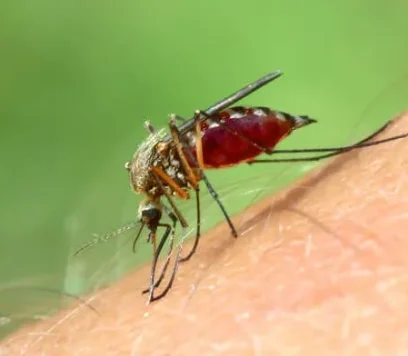
Hamilton properties regularly deal with a familiar group of pests, especially ants, mice, rats, and cockroaches. Every pest persists in somewhat different conditions, but every one can become long-lasting once they find food, water, and shelter.
Ants often make their way into kitchens, basements, and pantry areas in search of crumbs, moisture, and sweet residues. In apartment buildings and commercial spaces, they can follow utility lines and wall gaps from one unit to another. Proper sanitation and sealing around entry points are essential elements of prevention.
Mice are one of the most frequent rodent concerns in Hamilton. They can squeeze through tiny openings, nest in insulation, and move into attic and basement spaces with ease. Once inside, they chew materials, contaminate food, and create fire hazards through gnawing on wires. Rodent control in Hamilton often requires both trapping and structural proofing.
Rats are especially concerning around dense urban areas, alleyways, and places with heavy municipal waste or poor garbage storage. They are powerful, wary, and highly adaptable, so treatment must address the source of access as well as the current population. Around restaurants, warehouses, and older commercial blocks, rats may require a broader baseline treatment and ongoing monitoring.
Cockroaches are another major issue, particularly where humidity, food debris, and hidden harbourage areas exist. They can survive in kitchens, drain areas, and shared service spaces, making them difficult to eliminate without a targeted plan. Because cockroaches can spread quickly in multi-unit buildings, timing and coordination matter.
Other pests also deserve attention. Bed bugs are common in apartments, hotels, and shared living environments. Wasps can become aggressive around eaves, decks, and outdoor garbage areas in warm weather. Spiders are often drawn indoors by other insects and may be more noticeable in corners, basements, and storage rooms. In some parts of the city, raccoons can also create damage by getting into roofs, chimneys, and bins.
Area Factors Affect Pest Pressure
Distinct Hamilton neighbourhoods carry different risks, and that is especially relevant in places like Durand, Stinson, Westdale, and Beasley. These areas vary in age, density, building type, and proximity to green corridors or commercial activity, all of which shape pest pressure.
Durand has a strong mix of older residential properties and multi-storey buildings, which can raise the importance of routine inspection and exclusion. Stinson includes heritage housing and a blend of older and newer structures, where small maintenance gaps can offer pests a path indoors. Westdale, with its student housing, older homes, and busy rental turnover, can see greater pressure from ants, mice, and bed bugs. Beasley, being closer to downtown activity and older building stock, may experience more rodent and cockroach concerns due to nearby food sources and alley access.
These neighbourhood conditions are not just about the age of the buildings. They also reflect foot traffic, waste patterns, renovation cycles, and the level of shared structural exposure between neighbours. A customized approach to pest control Hamilton services should account for the specific block, not just the general area.
Aging Homes, Apartments, and Multi-Unit Buildings
heritage homes across Hamilton often have charm, but they can also have more pest vulnerabilities. Aging foundations, original wood framing, older attic vents, and decades of small repairs can create hidden gaps. These homes may have less insulation around pipes and utility penetrations, making them more likely to develop entry points for mice, ants, and spiders.
apartments and multi-unit buildings introduce another challenge: pests can travel through shared walls, ceilings, plumbing chases, and utility corridors. In these settings, one resident’s issue can spread quickly if the building is not managed as a whole. That is why exclusion, monitoring, and coordinated service matter so much in dense housing.
In both heritage and multi-unit properties, the most effective strategy usually combines inspection, focused exclusion, and open discussion about maintenance and garbage management. A carefully designed service plan should block access routes, cut down on attractants, and set up a follow-up schedule that confirms the problem is being managed.
Lakeside, ridge, and natural area Considerations
Properties near Hamilton Harbour can face unique pressures from rodent and bird activity, especially in areas affected by industrial and waterfront operations. Food sources, drainage systems, and commercial waste can make surrounding neighbourhoods welcoming to rats and other scavengers. In these locations, proactive sanitation and proper containment are critical.
Homes and businesses near the Niagara Escarpment or adjacent to significant green space often see more wildlife-related pest concerns. wildlife such as raccoons may search for shelter in roofs or sheds, while wasps can nest in eaves, trees, and outdoor structures. These areas can also have more seasonal movement from outdoor insects into living spaces.
For escarpment-adjacent properties, prevention usually means more than placing traps. It can include roofline checks, vent screening, soffit repair, and landscaping changes that reduce nesting opportunities. Because the surrounding environment fosters pest movement, regular monitoring is especially valuable.
Annual Pest Activity Trends in Hamilton
spring in Hamilton can bring a spike in pest presence. As temperatures rise, insects become active once more, and overwintering rodents may start moving through walls, attics, and basements in search of food and nesting sites. Spring rains can also make drainage and moisture issues worse, increasing pressure around foundations and utility entry areas.
summer is a busy time for insects. Ant trails become more noticeable, wasps build nests, and spiders are more commonly seen around windows, garages, and storage areas. Humid conditions can also encourage cockroach activity in kitchens and mechanical spaces. For homeowners, this is a good time to prioritize inspection and exterior proofing.
fall is one of the most important seasons for infestation prevention. As temperatures drop, mice and rats often move indoors to find warmth. Hamilton’s seasonal changes can create a strong push toward interior spaces, especially in homes with open vents, foundation cracks, or gaps around doors. Fall is often the best time for baseline treatment before pests settle in for winter.
winter may seem quieter, but it is a high-risk season for indoor rodent issues. Hamilton’s cold spells and freeze-thaw cycles can drive pests deeper into heated structures. This is when hidden infestations in basements, attics, and wall voids are most likely to become obvious through scratching sounds, droppings, or damage. A recurring service plan can help maintain control through the cold months.
Which Nearby Pest Control Services Should Offer
Reliable local support should open with a careful inspection. The technician should examine interior and exterior conditions, identify pest species, and find harborage areas, food sources, and access points. For Hamilton homes and businesses, that means checking the foundation, attic, basement, kitchen, utility penetrations, and any areas affected by humidity or poor drainage.
Afterward comes exclusion. This is the physical work of preventing pests from returning. It may include sealing cracks, repairing screens, closing gaps around pipes, improving door sweeps, and installing covers or barriers where needed. In many cases, exclusion is the difference between short-term relief and durable control.
A solid service should also deliver a clear treatment plan. The plan should match the pest problem, property type, and level of activity. For example, rodent control may use a combination of sanitation, traps, proofing, and monitoring, while insect control may require targeted applications, source reduction, and habitat correction. Reputable providers will explain whether the solution is a one-time job or part of a recurring service.
follow-up service is especially critical in Hamilton because many properties face ongoing pressure from adjacent buildings, shared waste areas, and environmental factors. A proper follow-up visit can check whether activity has dropped, refine the approach, and reinforce weak points. For both safe treatment options and long-term effectiveness, ongoing evaluation is essential.
How to Pick a Hamilton Pest Control Provider
Selecting the most suitable provider starts with licensing and insurance. This foundation matter because pest work often involves chemical products, structural access, and exposure to confined spaces. A properly insured company covers both the client and the technician during the job.
Look closely at reviews from other Hamilton customers. The best feedback often mentions punctuality, professionalism, communication, and whether the problem was actually resolved. Reviews are especially useful when you are comparing a general service to a specialist in rodent control or insect control.
It is also worth asking whether the company uses integrated pest management. This approach combines inspection, monitoring, sanitation, exclusion, and targeted treatment rather than relying on chemicals alone. Integrated pest management is especially effective in Hamilton because so many pest issues are tied to building conditions, neighbourhood density, and local waste patterns.
You should also ask about experience with both residential pest control and commercial pest control. A provider that understands apartment buildings, retail spaces, restaurants, offices, and older homes will be better equipped to handle Hamilton’s diverse property landscape. The right local exterminator should be able to explain what is included, how quickly results should appear, and what prevention steps will keep pests away.
Prevention Tips for Hamilton Property Owners
Strong prevention starts with sanitation. Remove crumbs, spills, and grease promptly. Keep food in sealed containers. Keep counters and floors clear, especially in kitchens, break rooms, and basement storage areas. When pests have a food source, they are much harder to remove.
sealing gaps is another major step. Look around windows, vents, utility lines, and foundation transitions. Focus especially on foundation cracks, weathered door frames, and openings around the attic and basement. Very small openings can let in mice, ants, and spiders.
Good waste management matters in every part of Hamilton, from downtown lanes to suburban streets near the Burlington border. Keep bins closed, clean up overflow, and avoid leaving garbage bags exposed. Reliable garbage storage is one of the easiest ways to reduce rodent attraction, especially in areas with heavier municipal collection activity or shared refuse bins.
landscaping can also affect pest pressure. Prune branches away from roofs, move wood piles off the foundation, and avoid dense shrubs against the house. Overgrown planting can create cover for rodents and nesting sites for wasps. Around escarpment-adjacent properties and homes close to green corridors, exterior upkeep is a major part of prevention.
Finally, watch for changes in humidity. Moisture can make basements, crawlspaces, and kitchens more attractive to insects and can also worsen structural decay that opens new access points. Dehumidifiers, improved ventilation, and quick leak repair all help strengthen your pest control plan.
When to Reach out for Expert Pest Control in Hamilton
If you are seeing clear infestation signs, it is time to contact an expert. Common tell-tale signs include droppings, gnaw marks, nesting material, live insects in daylight, foul odours, and scratching sounds in walls or ceilings. These signs often mean the problem is more serious than a simple do-it-yourself fix.
chewed wiring is a serious red flag. Rodents can damage insulation and wiring in walls, attics, and basements, creating both electrical and fire hazards. If you suspect this kind of damage, a prompt inspection is crucial before more harm occurs.
You should also seek help if you or anyone in the building experiences allergic reactions tied to pest activity, such as from cockroach debris, rodent contamination, or heavy insect presence. In homes with children, seniors, or immunocompromised occupants, the health impacts can be more severe.
Professional service is particularly helpful when pests keep coming back after cleanup or store-bought products. That usually means the underlying access or harbourage issue has not been solved. A trained provider can pinpoint the true source, use the right treatment, and implement exclusion so the issue does not keep cycling back.
FAQ
What pests are most common in Hamilton, ON?
The most common pests in Hamilton, Ontario typically include mice, rats, ants, cockroaches, bed bugs, wasps, spiders, and sometimes raccoons around roofs or bins. The mix can vary by neighbourhood, housing type, and season.
Mosquito Man Hamilton62 First Rd W, Hamilton, ON L8J 3R2, Canada
+1 289-408-9573
https://maps.app.goo.gl/47W3PJ15EnQopiUf6
https://sites.google.com/view/pest-control-hamilton-ontario/
43.1795221, -79.7846013
Do older Hamilton neighbourhoods have more pest issues?
Older Hamilton neighbourhoods can have more pest pressure because heritage homes and older buildings often have more entry points, aging materials, and shared infrastructure. That does not mean newer areas are risk-free, but older stock often needs more frequent inspection and exclusion.
How often should pest control be scheduled in Hamilton?
It depends on the property and the pest. Many homes benefit from seasonal checks, while high-risk buildings such as multi-unit buildings, restaurants, and properties near the harbour may need recurring service. A provider using integrated pest management can advise on the right schedule.
What do I need to check when choosing pest control Hamilton?
Choose a company with licensing, insurance, strong reviews, and a company that uses integrated pest management. Be sure to ask about inspection, exclusion, safe treatment options, and whether the plan includes follow-up service after the initial visit.
Can pest problems happen near Hamilton Harbour or the Escarpment?
Yes. Areas near Hamilton Harbour can see more rodent and bird activity because of waterfront and industrial conditions, while escarpment-adjacent properties and green space areas may deal with raccoons, wasps, and other wildlife-related pest issues. Local conditions make prevention and proofing especially important.